An inspector climbs into your loft, identifies the foam, takes moisture readings on the rafters and emails you a photographed report that sellers, buyers, brokers and landlords in Oldham can read in minutes.
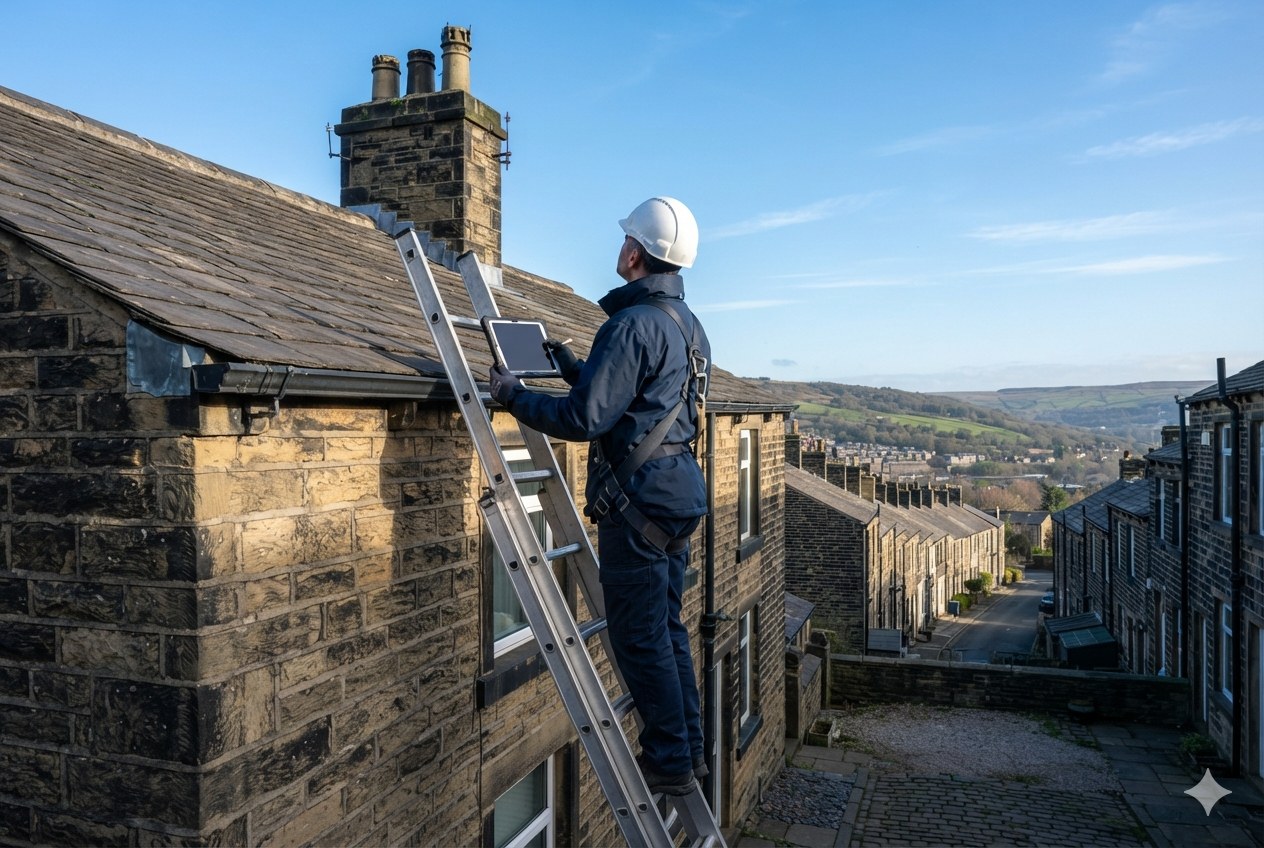
Usually within a few days. We text the inspector's name and an arrival window.
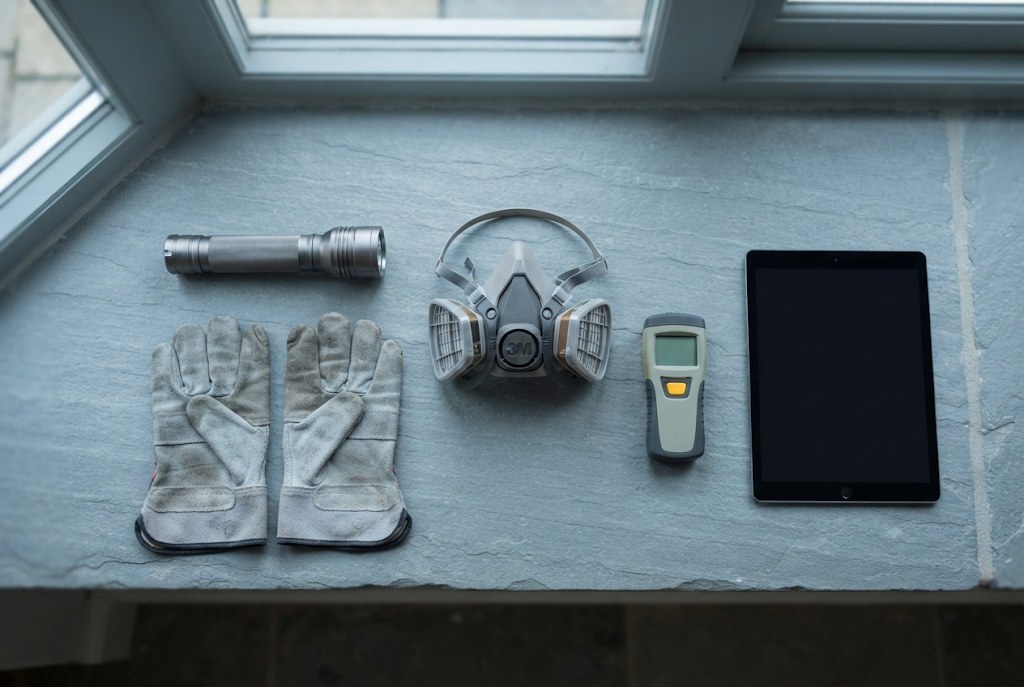
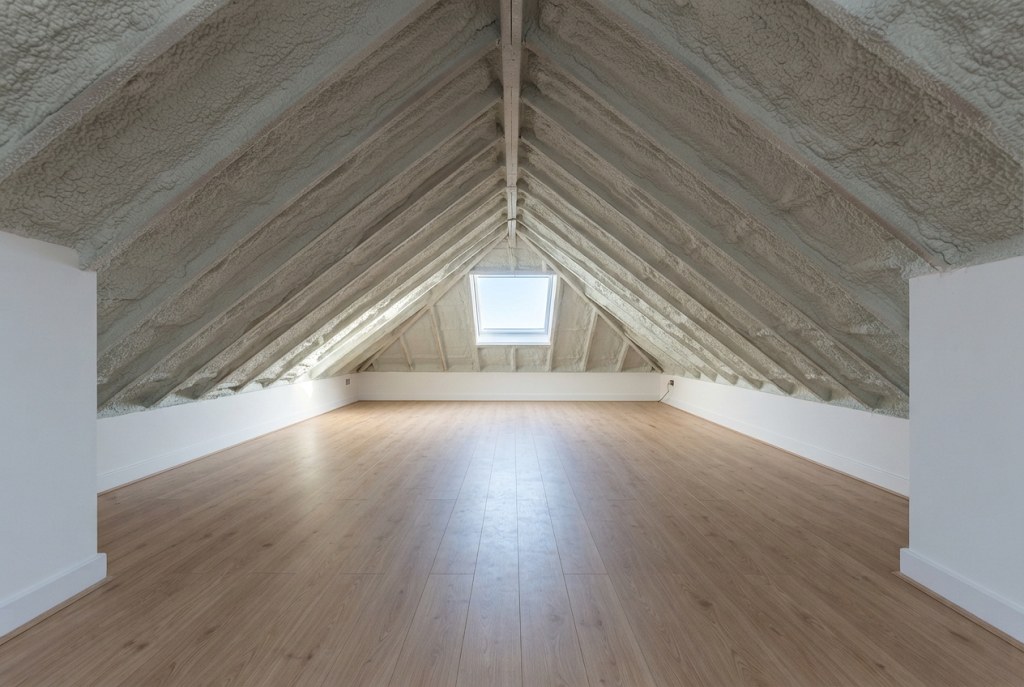
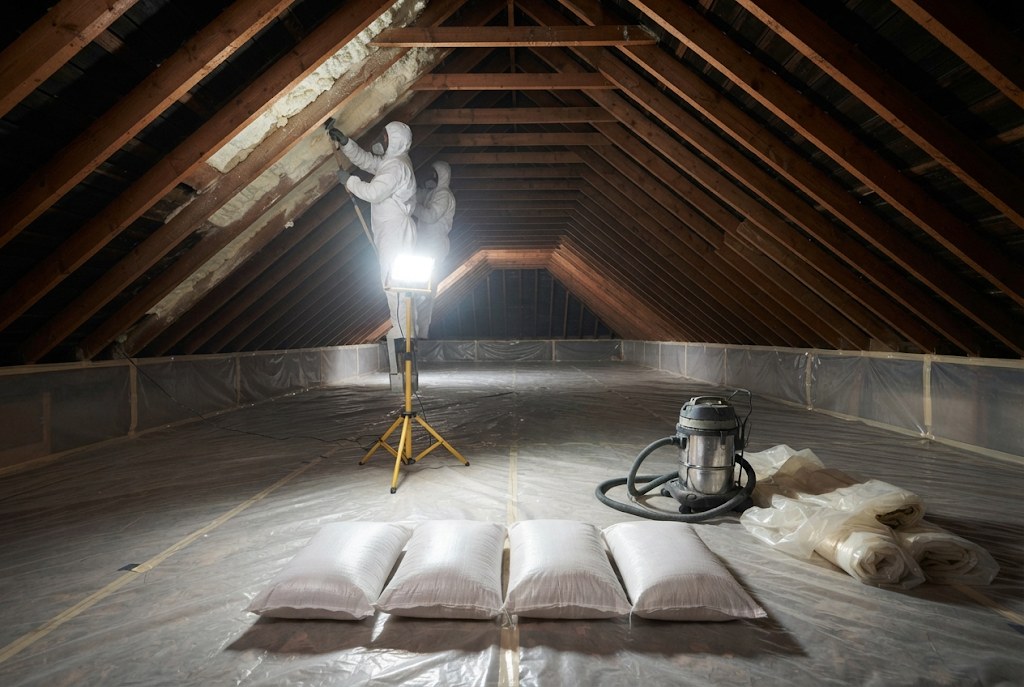
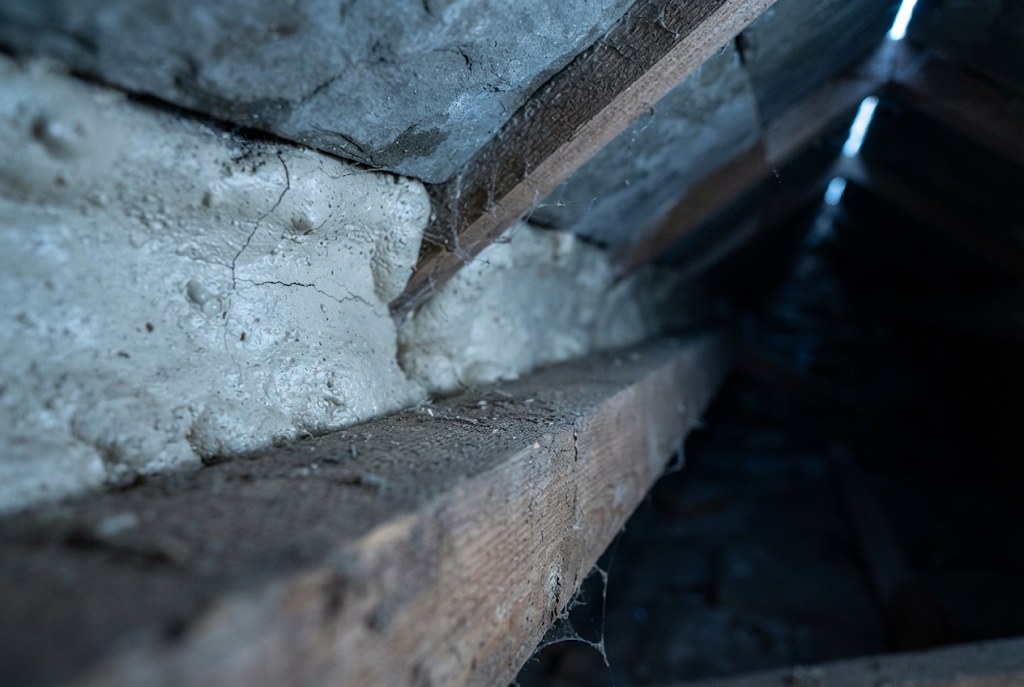
The inspector checks the foam type, thickness and coverage, looks at the timbers wherever they can be seen and takes moisture readings.
Every finding is recorded with photos and locations, with a clear recommendation: leave it, monitor it, remove part or remove all.
If foam has to come off, you get a written removal quote based on the report. There is no obligation to use us.

Quoted before we attend. If you stop after the survey, there is nothing more to pay.

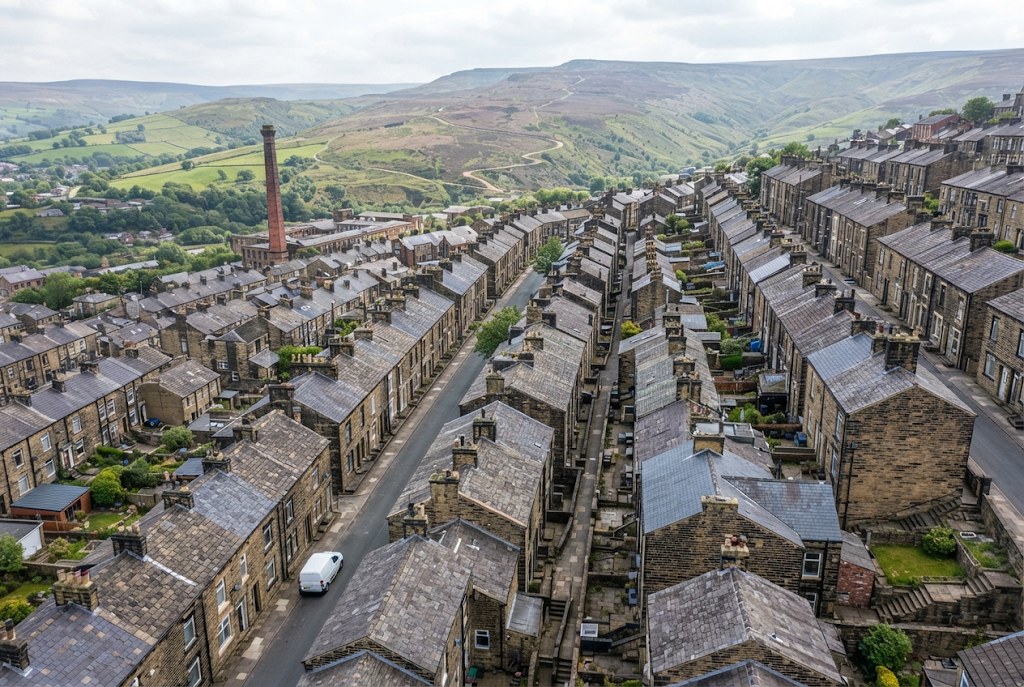
Oldham grew on cotton, and the mill chimneys and stone terraces still show it: gritstone and brick terraces around the old mills, 1930s semis in Chadderton and Failsworth, and stone cottages on the hillsides towards Saddleworth. Roofs are a mix of stone slate, Welsh slate and concrete tile, and many have been converted, re-lined or insulated since they were built. Foam sprayed under the covering now comes up in sales, remortgages and building work, and the only way to know what is there is to look from inside.
A buyer's surveyor or lender has flagged spray foam under the roof. You need to know what is there before the sale stalls.
The seller says it is fine. A written assessment tells you what it is, what condition the timbers are in and what removal would involve.
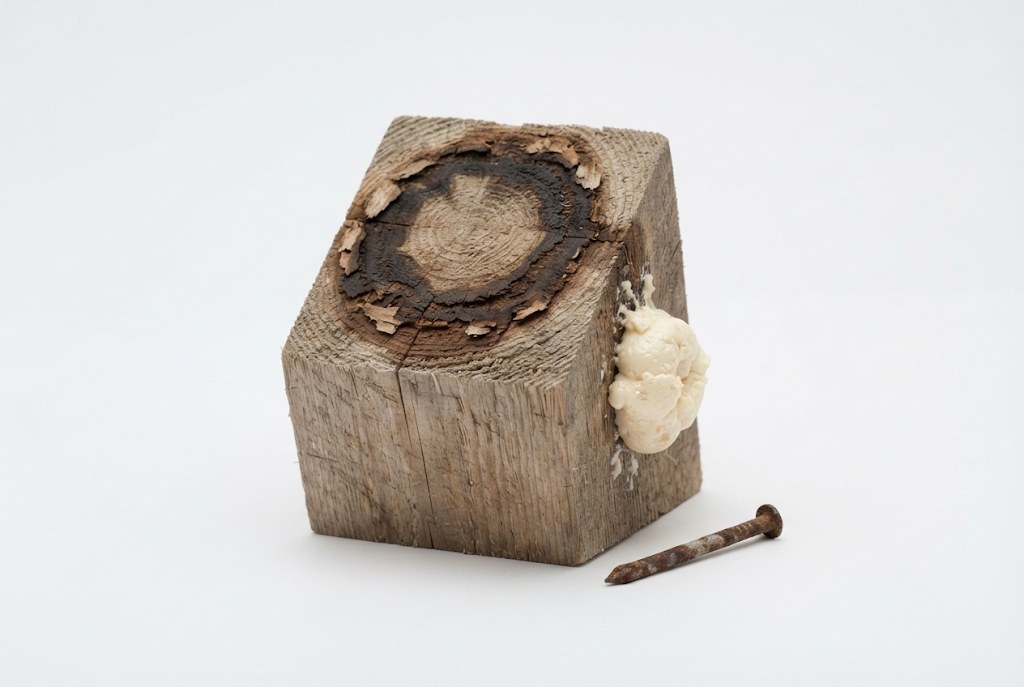
Foam can hold moisture against rafters and battens. Staining, mould or a stale smell are the signs worth checking.
Installers and lenders want to know what is under the tiles before anything is fixed to the roof.
Not every foamed roof needs stripping. Get the foam type, thickness and timber condition measured before you decide.
Landlords and agents with foamed roofs in the portfolio need a record of what is there and what state it is in.

Not here? Call [phone].
£195 fixed. Written report. Yours to keep.